
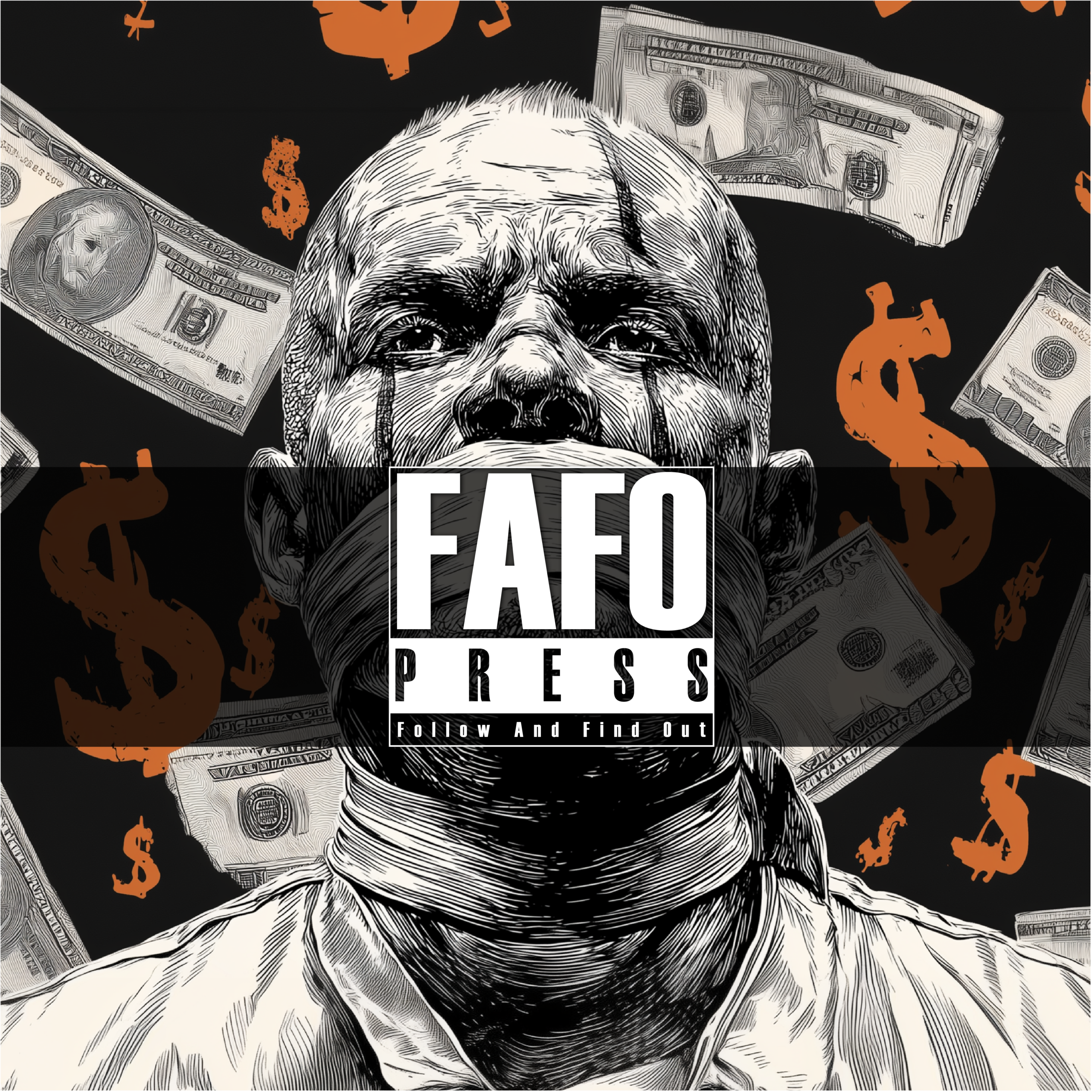
Unmasking the Truth: Prison Labor in Lycoming County
July 2, 2025
Tony Cooper – FAFO Press
In the heart of Lycoming County, behind the fences and locked doors, inmates are caught in a cycle of exploitation driven by systemic indifference, inflated prices, and opaque policies; while the system profits from their forced labor under the guise of “programs.”
The Hidden Details: Policy Secrets and Stagnant Wages
FAFO Media’s battle for transparency revealed a troubling truth: Lycoming County refused to share critical policies, 13.0 and 18.7, that govern inmate work programs specifically at the Lycoming County Pre-Release Center (PRC). After fighting a legal battle, we did uncover that, under Policy 13.0, the county’s own rule stipulates that inmates are paid $.30 per hour. That’s right, since at least 2003, the cost of goods and services soared approximately 74%, inmate wages have remained frozen in time. Meanwhile, inmates currently pay $2 for a package of instant noodles, which when purchased on amazon costs 25 cents ($6 for a 24-pack).
This stark disparity signals exploitation. The county’s policies explicitly prohibit using inmate labor for personal gain or profit, yet the economic reality paints a different picture; one where inmates are forced to rely on a single, often exclusive, supplier that inflates prices to astronomical levels. It’s a clear setup for price gouging; profiting from the voiceless labor while their basic needs become unaffordable. Transparency is non-negotiable Lycoming County. The prison policies are included below.
The Mechanics of Profiteering: How the System Works Against the Incarcerated
Lycoming’s “Work Crew Programs” are billed as community service efforts, with supervision, safety protocols, and restrictions designed to prevent abuses. But beneath this veneer lies a troubling truth: participation is mandatory for all sentenced inmates, and their meager earnings are often ensnared in deductions, fees, room and board, and even court costs; further impoverishing those already in captivity.
And then there’s the procurement; the single-source supplier model that fuels inflation. With no competition, prices remain deliberately high, turning inmates into captive consumers. This harm isn’t just economic; it’s potential human rights abuse; exploiting prisoners who have little say or power.
Broader Trends in the U.S.: A System of Forced Labor and Disparities
Lycoming County isn’t alone. Across the nation, prison labor outcomes mirror this exploitation: low wages, sometimes less than a dollar an hour, forced work under threat of punishment, and systemic exclusions from basic worker protections. Minorities and women face even steeper hurdles, with disparities deepening their struggles upon release.
Legislation like the “Fair Wages for Incarcerated Workers Act” and advocacy groups worldwide challenge these practices; calling for fair wages, transparency, and the end of involuntary servitude disguised as “programs.”
A System in Need of Change
The revelations about Lycoming County reveal a troubling reality: the prison industrial complex continues to profit at the expense of its most vulnerable. Inmate wages should reflect inflation and fair labor standards. Procurement should foster competition, not facilitate price gouging.
Until then, the cycle remains unbroken; an exploitation of those whom society has already marginalized. The public must demand accountability, insist on fair treatment, and push for reforms that recognize incarcerated workers as humans deserving dignity, not commodities to be exploited.
We must shine a light into the shadows behind Lycoming County’s prison walls, as we further reveal the financial mechanics behind the PRC money train.
FAFO Delivery:
Lycoming County Prison (PRC) Policy 13.0 “Community Work Program”
Lycoming County Prison (PRC) Policy 18.7 “Inmate Work Programs”
