
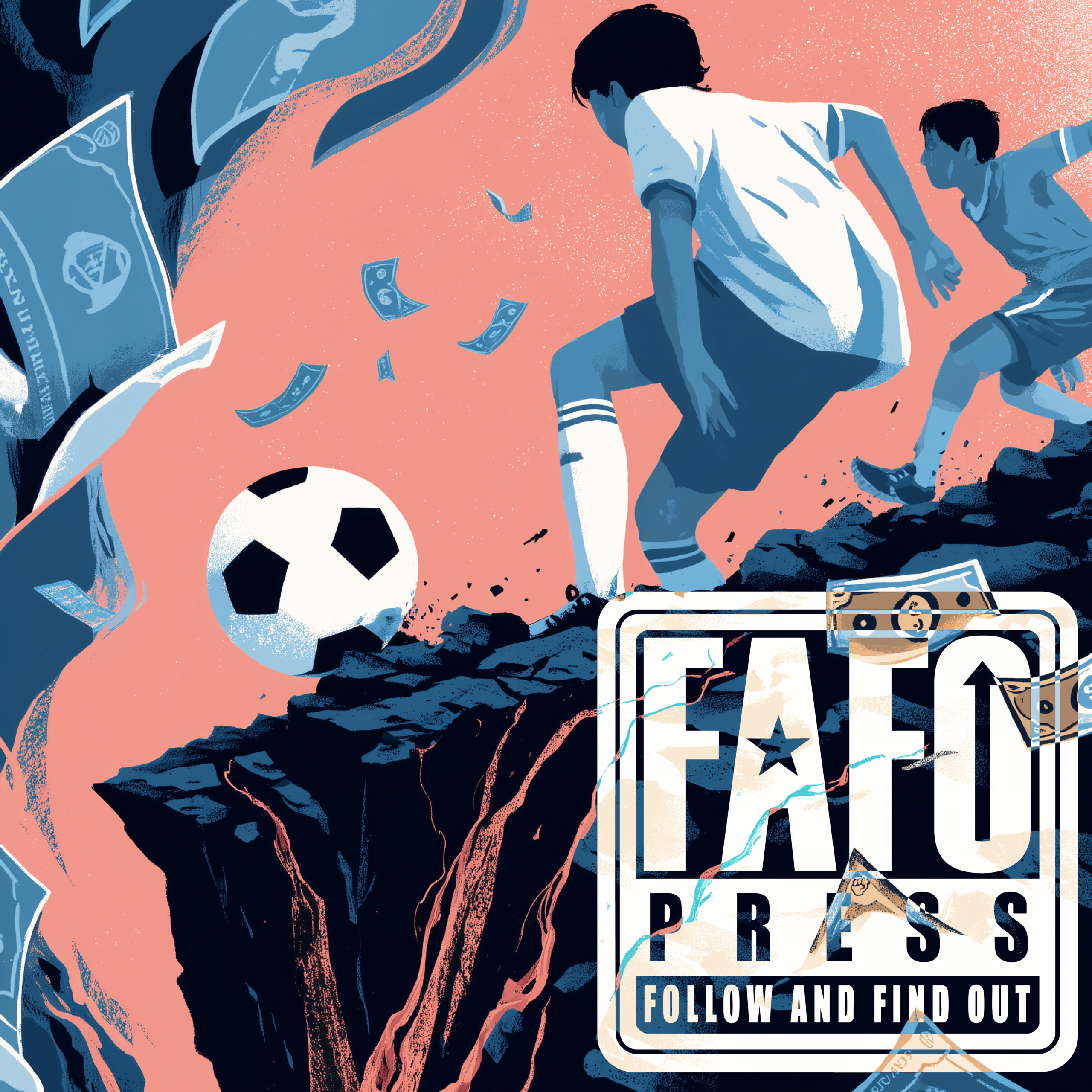
Societal Erosion of Sports Integrity: Impacting Youth Development
July 3, 2025
Staff – FAFO Press
Our children look up to sports stars. Those young adults who seem larger than life, chalking up highlights, winning medals, and inspiring generations. But what happens when these idols, whom our kids admire and aspire to emulate, stumble into the dark side of the game, gambling misconduct? The danger isn’t just a scandal for the pros; it’s a warning for every level of sport, trickling down from high school courts to college arenas and shaping the future of youth sports itself.
Take Hysier Miller, for example. A young athlete with dreams of NCAA greatness, only to find himself caught in a federal gambling investigation. His sudden exit from Virginia Tech sent shockwaves through his team and serves as a harsh lesson—one that young athlete watching from the sidelines learn all too well that shortcuts and shady dealings can wipe out promising futures in an instant. It’s a sober reminder that when integrity is compromised, everyone loses.
This trend paints a bleak picture: once respected stars, now sometimes seen as willing to bend or break the rules, send a dangerous message to impressionable fans. Tales of players leaking secrets to gamblers or getting caught in scandals cloud the game’s reputation. It’s as if the integrity that once defined sport has fallen victim to a rush of quick money, pushing aside the character-building values that many of us hold dear.
And the chaos doesn’t stop with individual players. When athletes like Malik Beasley are embroiled in investigations, it’s not just their careers at risk; it’s the future of the game itself. Young fans see their heroes hesitating, questioning whether it’s worth sticking to the rules or chasing a quick buck. All the lessons learned on courts and fields are threatened by the growing influence of corruption and greed.
But amidst the turmoil, there are true heroes; whistleblowers, educators, and advocates standing firm, reminding us that honesty and character are the real MVPs. These voices keep hope alive that integrity can be restored and that the next generation can learn a different lesson, the one Carl E. Stotz knew well. The founder of Little League Baseball, Stotz was deeply opposed to the growing commercialism and fierce competition overtaking youth sports, which he believed betrayed the sport’s true spirit. He championed “the character building, educational value, and the unadulterated joy of playing,” warning us that money and pressure can corrupt what’s important.
Even after parting ways with Little League in 1956, Stotz’s legacy endures on the very field named after him, serving as a reminder that the spirit of fair play, honesty, and integrity must always come before profits or fame. His foresight reminds us that the real game isn’t just about winning; it’s about teaching our children values they can carry for a lifetime. Because, in the end, the true victory lies in nurturing the qualities that make sports meaningful: character, character, and more character.
