
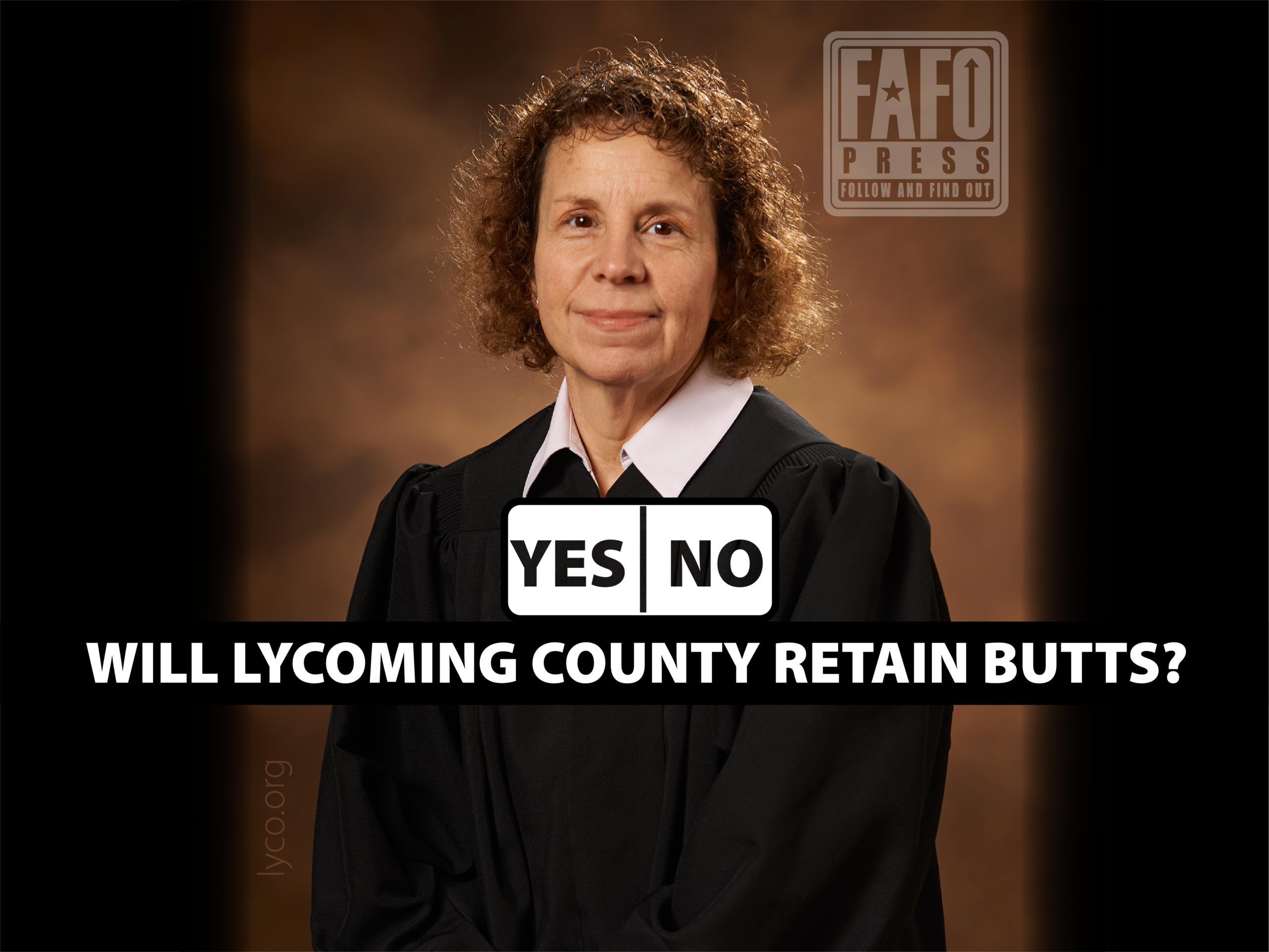
Election 2025: Holding Judges Accountable for Lenient Sentences on Sexual Offenders
July 11, 2025
FAFO Press
President Judge Nancy Butts has become a focal point of controversy, particularly in her handling of high-profile sex offense cases. Her decisions often appear to favor the accused, raising serious questions about her commitment to public safety.
Take, for instance, her leniency with Shaun Maurice Cormier, a convicted child rapist facing new charges, whose unsecured bail was granted after she reduced it from $100,000 to unsecured; a decision that ignited public outrage. Similarly, her decision to release Ahkiem Tyshon Burrage, accused of multiple sexual assaults against a six-year-old, after lowering his bail to unsecured status drew sharp criticism from the District Attorney and community members alike.
In numerous cases, Judge Butts has modified bail conditions or awarded sentences below prosecutorial requests for offenders facing disturbing allegations of sexual misconduct. Joshua Carter Turner, with over 150 counts including statutory sexual assault, was allowed to go without restrictions on contact with minors, despite the severity of his charges. Jonathan Kula’s bail was maintained at a low unsecured amount even after being accused of sending pornographic videos to a 13-year-old in 2021, when he was already on a prior case, with the judge citing his “self-surrender” and parental supervision as reasons. And in the case of David Sweeley, she chose a sentence of just one year, below what the state prosecutors deemed appropriate.
These decisions have not gone unnoticed. Community protests, banners shouting “Stop the Pedophiles from getting bail,” and public condemnations highlight widespread concern. Critics argue that her frequent inclination to grant lighter bail or reduced sentences places community safety at risk, especially when repeat offenders are immediately released into the public.
Adding to these concerns is the perception of nepotism and undue familiarity within the judiciary and law enforcement communities. On April 12, 2021, Judge Butts denied the Commonwealth’s motion to revoke Kula’s bail, citing his self-surrender and parental supervision as reasons. She also claimed she was unaware of the deputy sheriff’s relationship to Kula, insisting that this relationship did not influence her decision. However, the very placement of the Sheriff’s office within the courthouse fosters a sense of closeness and connections that many community members find troubling, raising questions about transparency and impartiality. Kula is the son of a local deputy sheriff. Does familiarity and perceived nepotism compromise the fairness of these judicial decisions?
Contrast her leniency with her one notable decision to set high bail for Nicholas Peterson at $250,000, emphasizing that “public safety” dictates such a stance. But do such exceptions justify the pattern of lighter treatment?
Judge Butts appears to be staging events to sway voters before the 2025 retention vote. Recently, she spoke at the Taber Museum about the success of Lycoming County’s Mental Health and Veterans Treatment Courts, programs highlighted in an article from northcentralpa.com that praised their role in reducing recidivism and supporting community reintegration. She told the small crowd to watch for her name on the upcoming ballot, framing herself as a compassionate leader. This staged appearance seems intended to influence voters by promoting her image through community engagement and praise for these courts.
Are we, as a community, willing to risk the safety of our children and vulnerable residents for the sake of judicial leniency? As voters, do we want to re-elect a judge whose record appears to prioritize defendant leniency over justice and community protection? Are successful metrics in treatment courts enough to continue compromising the safety of children?
The decision in November is crucial. Will you support a judge whose decisions may have inadvertently allowed more predators back onto our streets? Or will you choose leadership committed to safeguarding public safety, holding offenders accountable and ensuring justice for victims?
The decision is yours.
