
Lycoming Regional Police & Mental Health Emergencies: Radio Traffic Shows the Reality
July 8, 2025
FAFO Press
For those who listen to public radio traffic, a stark truth emerges: many first responders operate far from the transparency and accountability they publicly tout. These real-time exchanges offer an unfiltered view into how emergencies are handled—and often highlight a troubling disconnect in how communities are truly served.
On July 7, 2025, a 911 call set the stage: a probation officer reported his client, parked at Dewey Advanced Auto Parts in Williamsport, who had just hung up after threatening to end his life. All officers knew was that a man was in crisis and contemplating suicide. Yet, instead of a focused mental health response, what unfolded raised serious questions about the department’s priorities.
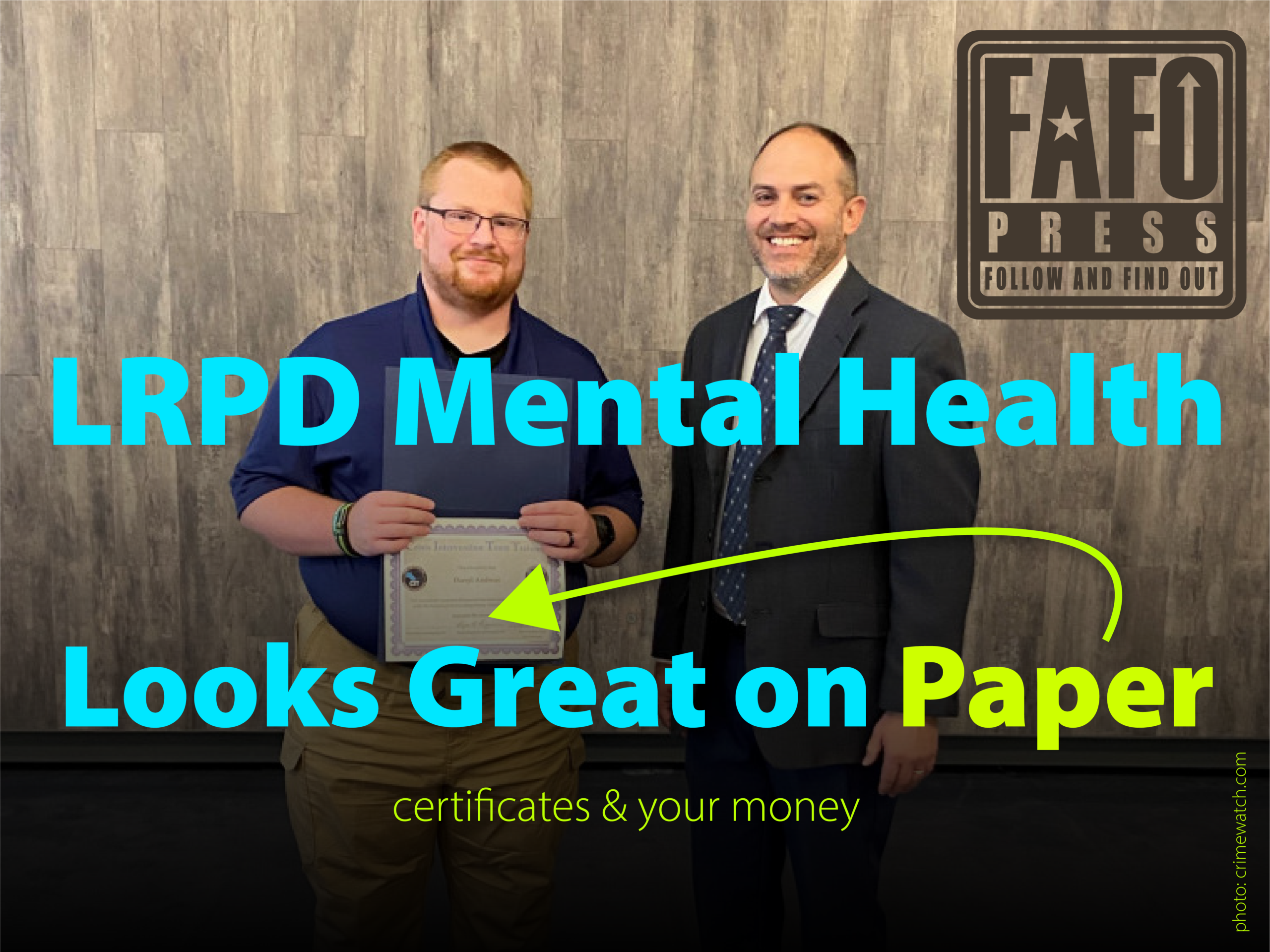
The Lycoming Regional Police Department (LRPD) had celebrated the addition of a mental health co-responder, Darryl Andreas, to their crisis team. The department hailed his role as a vital step toward better mental health crisis management. But during this incident, Andreas was nowhere to be seen in the radio traffic. Officers approached the scene, and when the individual fled, additional units tracked his flight onto Route 15. The supposed mental health professional was silent, absent from the response.
What does this say about the department’s commitment? Police Chief Christopher Kriner’s question, “What is he on probation for?”, sharply shifted focus from the crisis to the man’s background, revealing a response driven more by suspicion than immediate care. It appeared that the fact he was on probation in New York influenced how the situation was handled, rather than prioritizing his mental health needs.
This incident leaves us with a critical question: is the department genuinely invested in mental health, or is the co-responder program just a public relations move? When someone’s life hangs in balance, an effective, specialized response isn’t optional, it’s essential. Our communities deserve accountability, not just hollow promises. Most importantly, taxpayers deserve to see real results from their money. Funds for mental health crisis teams should lead to tangible, life-saving actions, better training, dedicated professionals, and real progress. When these resources fall short, or are just used for appearances, the public is betrayed. Senior leaders, like the LRPD Police Chief, must be held accountable for ensuring these programs succeed. Every dollar spent should genuinely improve community safety and mental health support, not just serve as political window dressing. Keep Following And Find Out.
Radio Traffic
