
July 1, 2025
Tony Cooper – FAFO Press
Print At Your Own Risk
Have you ever stopped to consider the subtle ways in which government and the media are intertwined? In Pennsylvania, local newspapers hold a curious legal advantage. One that has significant implications for transparency and the public’s right to know.
The law requires that government agencies notify the community of meetings and vital events through a “newspaper,” a statute rooted in the Sunshine Act and the broader Pennsylvania Open Meetings Law. Specifically, 65 Pa.C.S. § 703 mandates that public meetings be announced in a manner accessible to the public, often through advertising in local newspapers.
While this might seem like a reasonable requirement, it raises a critical question: Who truly benefits from this relationship? The statutory requirement creates a financial link between government entities and local newspapers, which are often paid to publish notices. This arrangement can subtly influence the newspaper’s reporting, potentially tilting coverage or prioritizing certain stories over others to serve the interests of the government or its advertisers. In rural areas like Lycoming County, where tight-knit communities are common, this influence can go unnoticed, blinding residents to the full scope of governmental actions.
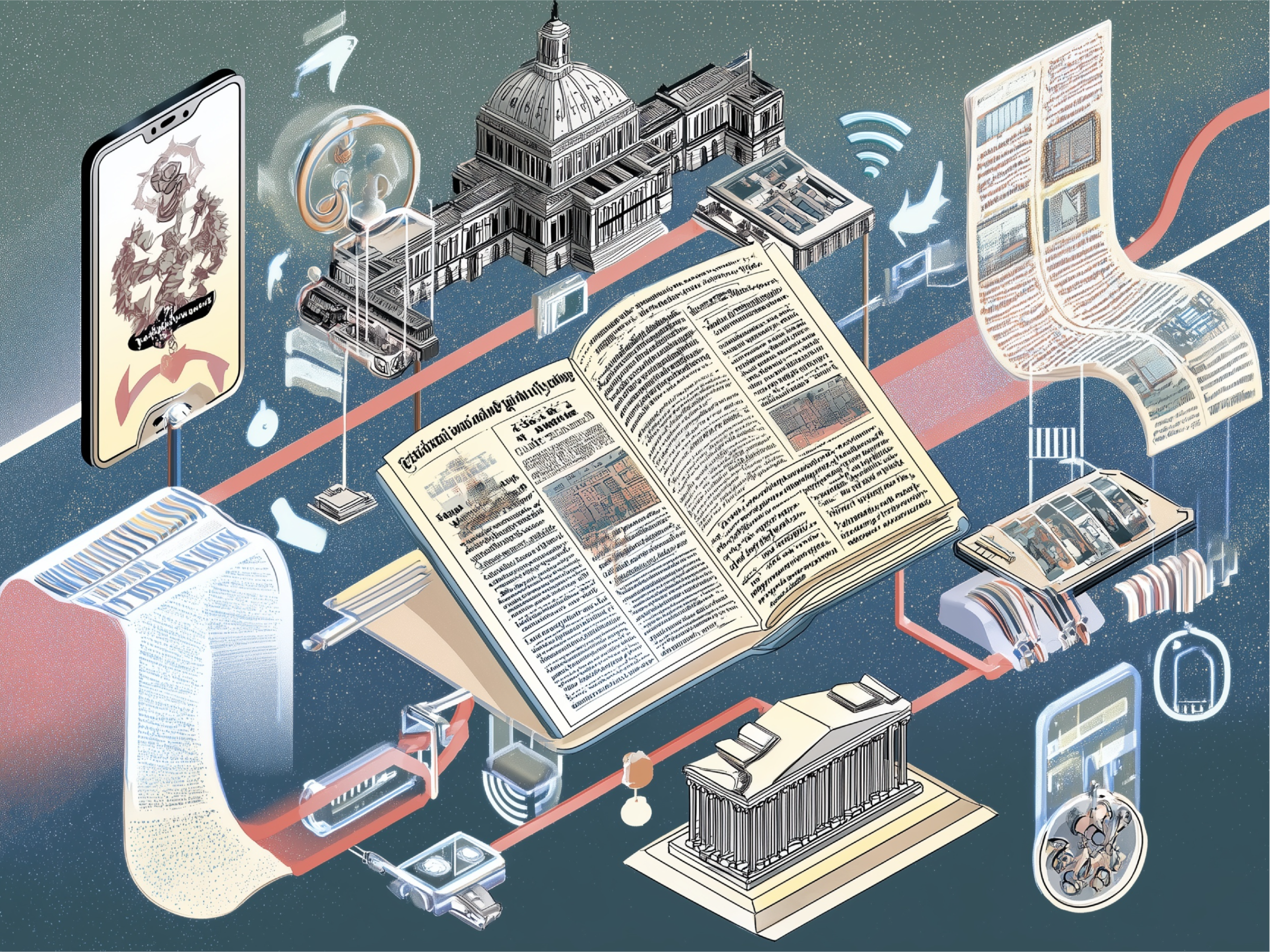
Now, consider the rapid evolution of our media landscape. By 2025, printed newspapers have become largely irrelevant to most people. Our phones, tablets, and smartwatches deliver news instantly, providing access to information at the tap of a finger. Most newspapers are discarded—tossed into the trash or sent to the landfill rendering the physical copies a waste of resources and societal responsibility. Producing and purchasing newspapers that ultimately end up as trash is not only inefficient but irresponsible in an age where digital and more sustainable channels for communication are readily available.
This disconnect raises an urgent question: Is it in the best interest of the public to maintain a statute that ties government transparency to a dying medium? As technology advances, so should our methods for ensuring openness. Relying on newspapers for public notices, which then often end up discarded, may serve outdated interests rather than the community’s needs.
The relationship between government, media, and the public must be critically examined. If transparency is our goal, then clinging to antiquated, print-based systems is counterproductive. We should embrace more inclusive, accessible, and modern platforms to ensure that vital public information reaches everyone regardless of their preferred or available media.
It’s time to ask ourselves: Are our laws serving the people, or are they protecting outdated interests? The future of transparency depends on evolving beyond old paradigms and embracing the digital age for the benefit of all and for the sake of responsible stewardship of our societal resources.
